Beacon Lighting Supply | Lighting the Way
Retail Lighting: How to Influence Buying Behavior
Retail lighting is far more than a way to illuminate products and aisles. It is one of the most powerful tools retailers can use to shape customer experiences, influence emotions, guide shopper movement, and ultimately increase sales. From luxury boutiques to grocery stores, strategic lighting design can impact how customers perceive merchandise, how long they stay in a store, and whether they decide to make a purchase.
In today’s competitive retail environment, lighting has become a critical component of visual merchandising and brand identity. The right lighting strategy can create excitement, comfort, urgency, or sophistication—all without a single word being spoken.
In this guide, we’ll explore how retail lighting affects buying behavior, the psychology behind lighting design, and the best lighting strategies retailers can use to maximize customer engagement and sales.
Why Retail Lighting Matters
Lighting influences how customers see products, navigate spaces, and emotionally connect with a retail environment. Poor lighting can make products look dull, create discomfort, and discourage browsing. Effective lighting, however, enhances product appearance, highlights key displays, and creates a memorable shopping experience.
Retail lighting impacts:
- Product visibility
- Customer mood and comfort
- Perceived product value
- Store atmosphere
- Dwell time
- Impulse purchases
- Brand perception
- Customer flow throughout the store
Studies consistently show that shoppers spend more time and money in stores that feel visually appealing and comfortable. Lighting plays a major role in achieving that environment.
The Psychology of Retail Lighting
Human behavior is strongly influenced by environmental conditions, especially light. Different lighting temperatures, intensities, and placements create emotional responses that affect purchasing decisions.
Warm Lighting Creates Comfort
Warm color temperatures (typically 2700K–3000K) create a cozy, inviting atmosphere. This type of lighting is often used in:
- Boutique clothing stores
- Furniture showrooms
- Restaurants
- Luxury retail environments
Warm lighting encourages customers to relax and browse longer, increasing the likelihood of purchases.
Cool Lighting Enhances Focus
Cooler color temperatures (4000K–5000K) create a brighter, more energetic environment. Retailers commonly use cooler lighting in:
- Grocery stores
- Electronics stores
- Pharmacies
- Big-box retail locations
Cool lighting improves visibility and gives products a clean, modern appearance.
Brightness Influences Attention
Brighter areas naturally attract customer attention. Retailers often use higher light levels to emphasize:
- Promotional displays
- New arrivals
- Checkout areas
- Seasonal products
- High-margin merchandise
This technique helps guide shoppers toward priority products and encourages impulse buying.
Types of Retail Lighting
Successful retail lighting designs use multiple layers of light to create depth, functionality, and visual interest.
Ambient Lighting
Ambient lighting provides overall illumination throughout the store. It creates the foundation for visibility and comfort.
Common ambient lighting fixtures include:
- LED panels
- Troffers
- Linear fixtures
- Downlights
The goal is to ensure customers can comfortably navigate the store while maintaining an attractive atmosphere.
Accent Lighting
Accent lighting highlights specific products or displays to draw customer attention.
Examples include:
- Track lighting
- Adjustable spotlights
- LED directional fixtures
Accent lighting creates contrast, making featured merchandise stand out from surrounding products.
Retailers often use accent lighting for:
- Mannequins
- Endcaps
- Promotional displays
- Jewelry showcases
- Luxury merchandise
Task Lighting
Task lighting improves visibility in work-focused areas such as:
- Checkout counters
- Dressing rooms
- Customer service desks
- Stockrooms
Proper task lighting improves employee productivity and enhances the customer experience.
Decorative Lighting
Decorative lighting adds personality and reinforces brand identity.
Examples include:
- Pendant lights
- Chandeliers
- LED feature installations
- Statement fixtures
Decorative lighting is especially important in experiential retail environments where ambiance drives customer engagement.
How Lighting Influences Buying Decisions
Enhancing Product Appearance
Lighting dramatically changes how products appear to customers.
Proper lighting can:
- Make colors appear more vibrant
- Improve texture visibility
- Increase perceived quality
- Reduce shadows and glare
For example:
- Jewelry stores use focused sparkle lighting to enhance brilliance.
- Grocery stores use warm lighting in bakery sections to make food appear fresher.
- Apparel stores use flattering lighting in fitting rooms to improve customer confidence.
When products look better, customers are more likely to buy them.
Guiding Customer Movement
Lighting naturally directs customer attention and movement through a store.
Retailers strategically use brighter areas and focal lighting to guide shoppers toward:
- High-profit products
- Promotional displays
- Seasonal merchandise
- Store entrances
- Checkout areas
This creates a visual path that influences how customers explore the store.
Increasing Dwell Time
Comfortable lighting encourages customers to remain in the store longer. Increased dwell time often leads to:
- More product discovery
- Higher basket sizes
- Greater impulse purchasing
Harsh, overly bright, or inconsistent lighting can cause visual fatigue and shorten shopping visits.
Creating Emotional Connections
Lighting helps communicate brand identity and emotional tone.
For example:
- Luxury brands often use softer, dramatic lighting to create exclusivity.
- Athletic retailers may use bright, energetic lighting to create excitement.
- Eco-conscious retailers often use natural lighting tones to reinforce sustainability messaging.
Customers subconsciously associate lighting quality with product quality and brand reputation.
Retail Lighting Strategies by Store Type
Different retail sectors require different lighting approaches.
Apparel Stores
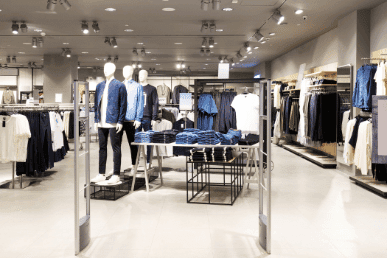
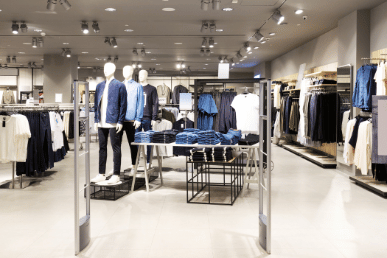
Apparel retailers need lighting that flatters clothing colors and textures while creating a comfortable shopping atmosphere.
Best practices include:
- Warm-to-neutral color temperatures (3000K–3500K)
- High CRI lighting for accurate color rendering
- Adjustable accent lighting for displays
- Soft fitting room lighting
Poor fitting room lighting can negatively affect purchase decisions, even when customers like the clothing itself.
Grocery Stores
Grocery lighting should emphasize freshness, cleanliness, and visibility.
Typical strategies include:
- Cooler lighting for produce and refrigerated sections
- Warm lighting for bakery and prepared foods
- Bright ambient lighting for cleanliness perception
Specialized lighting can even enhance the appearance of specific foods like meats, vegetables, and baked goods.
Jewelry Stores
Jewelry retailers rely heavily on sparkle and brilliance.
Effective strategies include:
- Focused beam accent lighting
- High-intensity LEDs
- High CRI fixtures
- Controlled contrast between showcases and surroundings
Lighting is essential for maximizing gemstone brilliance and metallic shine.
Electronics Stores
Electronics retailers often use cool, bright lighting to create a modern and innovative atmosphere.
Common strategies:
- Bright ambient lighting
- Feature lighting for displays
- Integrated LED shelving
- Dynamic lighting effects
This type of environment reinforces perceptions of advanced technology and product performance.
The Importance of Color Rendering Index (CRI)
CRI measures how accurately a light source reveals colors compared to natural daylight.
High CRI lighting is extremely important in retail because customers rely on accurate color perception when making purchasing decisions.
Recommended CRI levels:
- Apparel stores: 90+ CRI
- Grocery stores: 80–90 CRI
- Jewelry stores: 90+ CRI
- General retail: 80+ CRI
Low CRI lighting can distort product colors and reduce customer confidence.
LED Lighting and Modern Retail Design
LED technology has transformed retail lighting with benefits including:
- Lower energy consumption
- Longer lifespan
- Reduced maintenance
- Improved controllability
- Better color rendering
- Flexible fixture options
Modern LED systems also support advanced controls such as:
- Dimming
- Tunable white lighting
- Motion sensors
- Daylight harvesting
- Smart scheduling
These features help retailers optimize both customer experience and operational efficiency.
Using Lighting Controls to Influence Shopping Behavior
Smart lighting controls allow retailers to dynamically adjust store environments throughout the day.
Examples include:
- Brighter lighting during peak shopping hours
- Softer evening lighting for relaxed browsing
- Spotlighting promotional products
- Automated seasonal lighting scenes
Dynamic lighting can create excitement and keep retail spaces feeling fresh and engaging.
Energy Efficiency vs. Customer Experience
While reducing energy costs is important, retailers should avoid over-prioritizing efficiency at the expense of customer experience.
Poor lighting decisions can lead to:
- Reduced sales
- Negative brand perception
- Shorter customer visits
- Lower product appeal
The most successful retail lighting strategies balance:
- Energy efficiency
- Visual comfort
- Product presentation
- Brand identity
- Customer psychology
LED lighting makes it easier than ever to achieve both efficiency and strong visual performance.
Common Retail Lighting Mistakes
Overlighting the Space
Excessively bright stores can feel uncomfortable and clinical. Balanced lighting is more inviting and visually effective.
Ignoring Contrast
Uniform lighting without focal points creates a flat, uninteresting shopping experience.
Accent lighting and contrast are essential for guiding attention.
Poor Color Temperature Selection
Using the wrong color temperature can negatively affect product appearance and store ambiance.
Retailers should match lighting tone to their brand and merchandise type.
Low CRI Fixtures
Cheap, low-quality lighting can distort colors and reduce perceived product quality.
Neglecting Maintenance
Burned-out lamps, flickering fixtures, and inconsistent lighting create a poor customer impression.
Routine maintenance is essential for maintaining visual appeal.
Future Trends in Retail Lighting
Retail lighting continues to evolve alongside customer expectations and technology.
Emerging trends include:
- Human-centric lighting
- Tunable white systems
- Interactive lighting experiences
- Smart IoT lighting controls
- Sustainable lighting solutions
- Integrated digital displays and lighting
As experiential retail grows, lighting will become even more important in creating immersive shopping environments.
Final Thoughts
Retail lighting is one of the most influential yet often overlooked elements of store design. The right lighting strategy can enhance product presentation, shape customer emotions, guide purchasing behavior, and strengthen brand identity.
Successful retailers understand that lighting is not simply a utility—it is a sales tool.
By combining ambient, accent, task, and decorative lighting with thoughtful color temperature, brightness, and control strategies, retailers can create environments that encourage customers to stay longer, engage more deeply, and buy more confidently.
As LED technology and smart controls continue to advance, retailers have more opportunities than ever to use lighting strategically to improve both customer experience and business performance.
- #ArchitecturalLighting
- #BrandExperience
- #CommercialContractors
- #CommercialLighting
- #ConsumerBehavior
- #CustomerExperience
- #ElectricalContractors
- #EnergyEfficientLighting
- #EnergySavings
- #InteriorLighting
- #LEDLighting
- #LightingControls
- #LightingDesign
- #LightingIndustry
- #LightingInfluence
- #LightingInnovation
- #LightingPsychology
- #LightingSolutions
- #LightingStrategy
- #LightingTechnology
- #MarketingPsychology
- #ModernLighting
- #RetailDesign
- #RetailLighting
- #RetailSpaces
- #RetailStrategy
- #SalesOptimization
- #SmartLighting
- #StoreDesign
- #VisualMerchandising