
Beacon Lighting Supply | Lighting the Way
A failed egress fixture is easy to ignore until an inspection, outage, or emergency puts it in the spotlight. That is why choosing the right exit emergency light combo matters for more than basic illumination. For contractors, facility teams, and property managers, it is a practical decision that affects code readiness, maintenance workload, installation time, and long-term reliability.
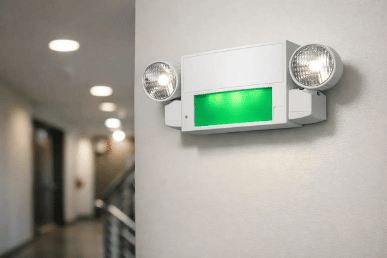
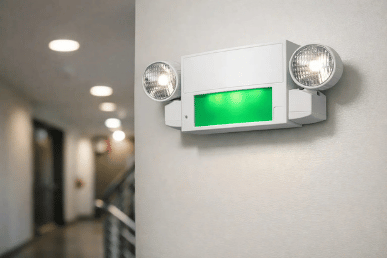
An exit emergency light combo combines two life-safety functions in one fixture. You get the illuminated EXIT sign and battery-backed emergency light heads in a single unit. In the right application, that means fewer housings, fewer installation points, and a cleaner way to cover both exit marking and emergency path illumination. In the wrong application, it can leave gaps in spacing, runtime expectations, or mounting suitability. The product category is straightforward, but the selection process is not always one-size-fits-all.
What an exit emergency light combo is designed to do
At a basic level, these fixtures identify the path of egress and provide emergency lighting when normal power fails. The sign face stays illuminated under normal conditions, while the battery backup takes over during a power interruption and powers the emergency lamp heads for the required duration.
For many commercial spaces, that combination simplifies layout. Offices, retail stores, schools, multifamily common areas, and light industrial facilities often benefit from combo units where the exit door and the immediate egress path can be covered from one location. Instead of specifying a separate exit sign and standalone emergency unit, you may be able to meet the need with one coordinated fixture.
That said, combo fixtures are not automatically the best answer everywhere. In larger spaces, long corridors, open warehouses, or areas with obstructions, you may still need additional emergency lighting units to achieve proper coverage. A combo fixture saves space and can reduce labor, but it does not replace a lighting plan.
Where an exit emergency light combo makes the most sense
The strongest case for a combo unit is usually efficiency. If you are retrofitting an older building, replacing mixed fixture types, or trying to streamline maintenance inventory, combining functions can reduce complexity. It can also improve visual consistency across a property.
For smaller commercial footprints, combo units often help reduce wall clutter and shorten installation time. In tenant improvements or fast-turn projects, that matters. Procurement teams and contractors are not just buying a fixture. They are buying fewer SKUs to track, fewer components to mount, and a simpler replacement path later.
There is also a maintenance advantage. One properly selected unit can centralize battery testing, lamp head adjustment, and sign visibility into one fixture location. That can make routine inspections easier, especially in facilities with multiple egress points.
Still, the application matters. If the exit location does not allow the emergency heads to throw light where it is actually needed, a separate emergency fixture may be the better choice. The same is true if the mounting height, corridor turns, or doorway configuration create shadowing. The fixture can be efficient on paper and still underperform in the field.
Key specifications that matter before you buy
When buyers compare combo fixtures, the first mistake is focusing only on price or face style. For life-safety products, the better approach is to look at the operating conditions and installation requirements first.
Battery backup is a starting point. Most units are built to provide emergency operation for the standard minimum runtime, but battery type and service life still affect long-term value. An inexpensive fixture with a battery that requires frequent replacement can cost more over time than a better-built unit with stronger reliability.
Lamp head performance matters as much as the sign itself. Adjustable heads are useful, but only if they provide enough output and aim where the path of egress actually needs illumination. LED heads generally reduce maintenance and energy use, which is why they are now the common choice for most new installations and replacements.
Housing construction is another practical checkpoint. Thermoplastic housings are common and often appropriate for standard indoor environments. In tougher commercial or industrial settings, you may need a more durable housing or a fixture family designed for harsher conditions. Temperature ratings and environmental suitability should not be treated as minor details.
Mounting configuration also deserves attention early in the process. Wall, ceiling, or end mounting options can affect both installation labor and final performance. A fixture that fits the opening but forces poor lamp head aiming is not the right fixture. Universal mounting can be helpful, especially for contractors managing varying site conditions, but it still needs to match the real-world layout.
Code compliance is part of the buying decision
An exit emergency light combo is not just another electrical accessory. It is part of a building's life-safety system. That means code compliance, listing, and testing features should be built into your evaluation.
UL listing is a baseline requirement for many buyers, and local code expectations should always be confirmed before ordering. Red or green letter color may also depend on jurisdiction or building standards. Face configuration matters too. Single-face and double-face units are not interchangeable. The right choice depends on how the sign will be viewed along the egress route.
Self-testing and self-diagnostic models can be especially useful for facilities with multiple fixtures or limited maintenance staff. These features can reduce manual testing burden and help identify battery or charger issues earlier. They may cost more upfront, but in larger facilities they often save time and improve inspection readiness.
If your project includes renovation, occupancy changes, or a code-driven upgrade, it is worth confirming fixture spacing and emergency illumination requirements before finalizing a purchase. A combo unit can support compliance, but only when it is selected as part of the actual egress strategy.
How to size and place combo units correctly
This is where many installations go wrong. Buyers assume one combo fixture at each exit door is enough. Sometimes it is. Sometimes it leaves dark sections of the egress path between doors, around corners, or beyond stairs and intersections.
The fixture location should support both sign visibility and emergency light distribution. That may mean placing the unit above the exit, but it may also mean supplementing it with additional remote heads or separate emergency fixtures elsewhere in the route. The larger the space, the less likely a single unit can do everything effectively.
Ceiling height changes performance too. A combo unit mounted too high may not deliver useful path illumination at floor level where it is needed. Obstructions such as shelving, partitions, and equipment can also limit coverage. Warehouses, stock rooms, and back-of-house commercial areas often need a more careful layout than a small office corridor.
For project work, this is where specialist support saves time. A fast order only helps if the fixture actually fits the application. Beacon Lighting Supply works with contractors and commercial buyers who need that kind of product clarity, especially on multi-unit orders and replacement matching.
LED combo fixtures vs older legacy units
For most buyers, LED is the practical choice. LED exit emergency combo fixtures typically offer lower energy consumption, longer lamp life, and reduced maintenance compared to older incandescent or fluorescent-based units. They also tend to provide a more consistent appearance across broader retrofit programs.
The trade-off is usually not whether to choose LED, but which LED platform fits the site. Light output, battery design, diagnostics, and housing quality vary widely across products that can look similar in a catalog. A low-cost LED fixture may be acceptable in a light-duty environment, while a higher-spec unit makes more sense for facilities where service calls are costly or disruptive.
Retrofitting older buildings can also raise compatibility questions. Mounting footprint, wiring access, and sign color consistency across existing installations may affect which replacement unit makes the most sense. In those cases, the best fixture is often the one that balances code compliance with the least disruption during installation.
What commercial buyers should look for from a supplier
For a product like this, availability matters almost as much as specification. Contractors and maintenance teams often need matching units quickly, whether for a scheduled upgrade or a failed inspection item. Consistent inventory, clear technical details, and access to knowledgeable support can keep a straightforward purchase from turning into a delay.
Bulk buyers should also consider standardization. Using the same or similar exit emergency combo fixture across a property or portfolio can simplify training, replacement batteries, visual consistency, and future maintenance. That is especially useful for property managers and multi-site operators trying to reduce SKU sprawl.
A dependable supplier should be able to help with more than checkout. Product selection, volume pricing, and replacement guidance are all part of a smoother procurement process, especially when you are sourcing for an active project rather than a single one-off fixture.
The right fixture is the one that fits the space, supports compliance, and holds up under routine use without creating extra service headaches later. If you are comparing options, start with the application, not the shelf price, and choose a combo unit that works as a reliable part of the full egress plan.