Beacon Lighting Supply | Lighting the Way
How LED Lighting Reduces Energy Costs (And Why It’s a Smart Investment)
In today’s energy-conscious world, businesses and homeowners alike are looking for ways to cut costs without sacrificing performance. One of the most effective and accessible solutions is switching to LED lighting. Whether you're upgrading a warehouse, office, retail space, or your home, LED technology offers significant savings—both immediately and over time.
Let’s break down exactly how LED lighting reduces energy costs and why it continues to outperform traditional lighting options.
What Is LED Lighting?
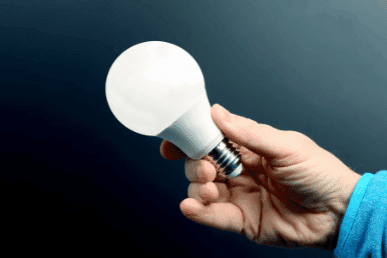
LED stands for Light Emitting Diode. Unlike traditional incandescent or fluorescent bulbs, LEDs produce light by passing an electrical current through a semiconductor. This process is far more efficient, generating minimal heat and maximizing light output.
1. Higher Energy Efficiency = Lower Utility Bills
The biggest reason LEDs reduce energy costs is simple: they use far less electricity.
- LEDs use up to 75% less energy than incandescent bulbs
- Compared to fluorescent lighting, LEDs still use about 30–50% less energy
- More energy is converted into light—not wasted as heat
For example, a traditional 60-watt incandescent bulb can be replaced by a 9–12 watt LED that produces the same brightness. Multiply that savings across dozens—or hundreds—of fixtures, and the reduction in energy consumption becomes substantial.
Bottom line: Lower wattage = lower electricity bills every month.
2. Longer Lifespan Reduces Replacement Costs
LED lighting doesn’t just save energy—it lasts significantly longer.
- LEDs can last 25,000 to 100,000 hours
- Incandescent bulbs typically last around 1,000 hours
- Fluorescent lights average 8,000–15,000 hours
This extended lifespan means fewer replacements, which reduces:
- Labor costs (especially in commercial/industrial settings)
- Maintenance disruptions
- Inventory and purchasing costs
In large facilities like warehouses or parking garages, this alone can lead to thousands of dollars in annual savings.
3. Reduced Heat Output Lowers Cooling Costs
Traditional lighting generates a surprising amount of heat—especially incandescent and halogen bulbs. That excess heat puts additional strain on HVAC systems.
LEDs, on the other hand:
- Emit very little heat
- Reduce the need for air conditioning
- Help maintain stable indoor temperatures
This is especially valuable in:
- Warehouses
- Office buildings
- Retail environments
- Data centers
Less heat = less work for your cooling system = more savings.
4. Improved Light Quality and Directionality
LED lighting is inherently directional, meaning it emits light exactly where it’s needed—rather than scattering it in all directions.
Benefits include:
- Reduced wasted light
- Better illumination with fewer fixtures
- Increased productivity in work environments
Because LEDs deliver more usable light (lumens per watt), you can often use fewer fixtures to achieve the same or better lighting levels—which further reduces energy consumption.
5. Compatibility with Smart Controls
LED systems integrate seamlessly with modern lighting controls, which can dramatically boost energy savings.
These include:
- Motion sensors
- Daylight harvesting systems
- Timers and dimmers
- Smart building automation systems
With these controls, lights are only used when needed—cutting unnecessary energy use.
For example:
- Lights automatically turn off in unoccupied rooms
- Brightness adjusts based on natural daylight
- Schedules ensure lights aren’t left on overnight
6. Utility Rebates and Incentives
Many utility companies and local governments offer rebates for upgrading to energy-efficient lighting.
These incentives can:
- Offset initial installation costs
- Improve ROI timelines
- Encourage large-scale retrofits
In some cases, rebates can cover a significant portion of the project cost—making LED upgrades even more financially attractive.
7. Lower Total Cost of Ownership (TCO)
While LEDs may have a higher upfront cost than traditional bulbs, their total cost of ownership is significantly lower.
When you factor in:
- Energy savings
- Reduced maintenance
- Longer lifespan
- Utility incentives
LED lighting quickly pays for itself—often within 1–3 years for commercial applications.
8. Ideal for Commercial & Industrial Applications
Industries that benefit most from LED upgrades include:
- Warehouses and distribution centers
- Parking garages
- Manufacturing facilities
- Retail stores
- Office buildings
- Outdoor and street lighting
These environments typically operate lights for long hours, making energy efficiency gains even more impactful.
Real-World Example of Savings
Let’s say a warehouse operates 100 fixtures:
- Old system: 400W metal halide fixtures
- New system: 150W LED high bays
Energy savings per fixture: 250W
Total savings: 25,000W (25kW)
If lights run 10 hours/day:
- Daily savings: 250 kWh
- Annual savings: ~91,250 kWh
At $0.12/kWh:
- Annual cost savings: ~$10,950
And that doesn’t even include maintenance or cooling savings.
Final Thoughts
Switching to LED lighting is one of the simplest and most effective ways to reduce energy costs. With benefits that extend beyond just lower utility bills—like reduced maintenance, improved lighting quality, and environmental impact—LEDs are a smart long-term investment for any space.
Whether you’re planning a small upgrade or a full facility retrofit, the financial and operational advantages of LED lighting are hard to ignore.