Beacon Lighting Supply | Lighting the Way
Church & Auditorium Lighting Design Tips: Create Inspiring, Energy-Efficient Spaces
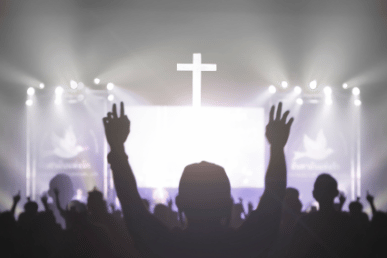
Churches and auditoriums serve many purposes beyond weekly worship services. From sermons and concerts to theatrical performances, conferences, weddings, and community events, these spaces require a lighting system that is both flexible and efficient. The right church lighting design not only improves visibility but also enhances the atmosphere, supports video streaming, reduces energy costs, and creates a welcoming environment for every visitor.
Modern LED lighting solutions have transformed how churches and auditoriums illuminate their facilities. Compared to traditional fluorescent, metal halide, or incandescent lighting, LED fixtures deliver longer lifespans, lower maintenance costs, better color quality, and significant energy savings.
Whether you're renovating an existing sanctuary or designing a brand-new worship center, these church and auditorium lighting design tips will help you create a comfortable, functional, and visually stunning space.
Why Lighting Design Matters in Churches & Auditoriums
Lighting does more than illuminate a room—it shapes the atmosphere, improves safety, and helps audiences stay engaged.
A well-designed lighting system helps:
- Improve visibility for worship leaders, speakers, musicians, and performers
- Create an inviting atmosphere for guests
- Support livestreaming and video production
- Highlight architectural features
- Improve safety in aisles and exits
- Lower utility and maintenance costs through LED upgrades
Modern LED systems also provide exceptional flexibility through dimming controls, programmable lighting scenes, and smart lighting integration, allowing one room to serve many different purposes.
Start with Layered Lighting
One of the biggest mistakes in church lighting is relying on a single type of fixture.
Instead, professional lighting designers use layered lighting, combining several lighting types throughout the facility.
Ambient Lighting
Ambient lighting provides the general illumination throughout the sanctuary or auditorium, from seating areas to walkways.
Common fixtures include:
Task Lighting
Task lighting improves visibility in areas where specific activities take place.
Examples include:
- Podiums
- Choir lofts
- Sound booths
- Control rooms
- Reading areas
Adequate task lighting helps staff, musicians, and presenters perform comfortably.
Accent Lighting
Accent lighting highlights important architectural features such as:
- Crosses
- Baptismal areas
- Altars
- Stone or wood features
- Stained glass or artwork
- Decorative ceilings
Wall washers, adjustable downlights, and directional spotlights work exceptionally well for these applications. Accent lighting creates depth and visual interest while enhancing the overall atmosphere.
Stage Lighting
The stage is typically the visual focal point.
Quality stage lighting should provide:
- Even facial illumination
- Minimal shadows
- Consistent color rendering
- Separate control from audience lighting
Auditoriums and worship centers frequently require dedicated stage lighting for:
- Sermons
- Concerts
- Guest speakers
- Drama productions
- Choir performances
Lighting designers often combine floodlights, directional fixtures, and focused LED stage lighting to illuminate speakers while avoiding excessive glare or washing out projection screens. Proper stage lighting improves visibility both in person and on camera.
Safety Lighting
Never overlook:
- Aisle lighting
- Stair lighting
- Exit lighting
- Emergency fixtures
These improve visibility when house lights are dimmed during worship services or performances while helping facilities meet life-safety requirements.
Select the Right Color Temperature
Color temperature greatly influences the mood of a space.
3000K Warm White
Creates a welcoming, comfortable atmosphere that many churches prefer for sanctuaries and gathering spaces.
Ideal for:
- Worship areas
- Lobbies
- Fellowship halls
3500K-4000K Neutral White
3500K provides a balanced appearance that blends warmth with clarity. Whereas 4000K produces a clean, neutral white light that enhances visibility.
Excellent for:
- Auditoriums
- Conference spaces
- Offices
- Classrooms
- Hallways
- Fellowship halls
Many churches choose 3500K–4000K because it balances comfort for attendees with accurate color for cameras and livestreaming.
5000K Daylight
Works well for:
- Gymnasiums
- Maintenance areas
- Utility spaces
Many facilities choose fixtures with selectable color temperatures to accommodate different applications.
Prioritize High Color Rendering (CRI)
Color Rendering Index (CRI) measures how accurately colors appear under a light source.
For churches and auditoriums:
- CRI 80+ works well for general seating areas.
- CRI 90+ is ideal for stages, worship leaders, performers, and video production because it produces more natural skin tones and vibrant colors.
High CRI lighting helps:
- Improve livestream quality
- Produce better photography
- Enhance stage presentations
- Highlight choir performances
- Make décor and architecture appear more vibrant
Look for fixtures with a CRI of at least 80, while premium applications may benefit from 90+ CRI.
Reduce Glare for Greater Comfort
Nothing distracts worshippers faster than bright fixtures shining directly into their eyes.
To minimize glare:
- Use indirect lighting where possible
- Using proper fixture spacing
- Select fixtures with diffusers
- Install proper beam angles
- Avoid placing fixtures directly over audience sightlines
- Position stage lighting carefully to prevent discomfort
Thoughtful fixture placement creates a more comfortable experience while maintaining excellent illumination, and comfortable lighting helps attendees stay focused throughout services and events.
Choose Energy-Efficient LED Fixtures
LED lighting has become the preferred choice for churches and auditoriums, but many churches still operate fluorescent, metal halide, or incandescent fixtures that consume large amounts of electricity.
Upgrading to commercial LED lighting offers numerous advantages:
- Up to 75% lower energy consumption
- Lower maintenance costs
- Lifespans exceeding 50,000 hours
- Reduced heat generation
- Instant-on operation
- Better dimming capabilities
- Better color consistency
For facilities that operate throughout the week, these savings can significantly reduce operating expenses over time.
Use Smart Lighting Controls
Every church hosts different types of events. Sunday worship requires one lighting scene, and concerts require another. Youth events may require something entirely different.
Modern lighting controls allow facilities to:
- Dim individual lighting zones
- Schedule lighting automatically
- Create preset scenes
- Control lighting remotely
- Integrate occupancy sensors
- Improve energy efficiency
Separating controls for the sanctuary, stage, aisles, lobby, and classrooms provides far greater flexibility than using a single lighting circuit.
Design Lighting Around Multiple Zones
Rather than illuminating the entire building equally, divide the facility into functional lighting zones.
Common zones include:
Sanctuary
Warm, welcoming ambient lighting with smooth dimming.
Stage
Higher illumination with excellent CRI and adjustable beam control.
Seating Area
Uniform, glare-free lighting that allows attendees to comfortably read programs and participate without distraction.
Lobby
Bright, inviting lighting that creates a positive first impression.
Hallways
Continuous illumination that supports wayfinding and safety.
Fellowship Hall
Flexible lighting capable of supporting meals, meetings, and community events.
Classrooms
Neutral white lighting that promotes alertness and visibility.
Select the Right Fixture for Each Space
Different areas of a church or auditorium have unique lighting requirements.
LED High Bay Lights
Sanctuaries, gymnasiums, fellowship halls, and large auditoriums with high ceilings benefit from LED High Bay Lights.
Advantages include:
- High lumen output
- Uniform light distribution
- Excellent efficiency
- Long service life
Ideal for:
- Worship centers
- Multi-purpose halls
- Indoor sports facilities
- Performance venues
LED Flat Panel Lights
Flat Panels are excellent for:
- Offices
- Classrooms
- Hallways
- Conference rooms
- Administrative areas
Benefits include:
- Low glare
- Modern appearance
- Uniform illumination
- Energy efficiency
LED Strip Lights
Strip fixtures provide dependable lighting for:
- Storage rooms
- Mechanical areas
- Utility spaces
- Maintenance rooms
Outdoor Lighting
Exterior lighting is just as important as interior lighting.
Well-lit parking lots and entrances improve:
- Safety
- Security
- Visitor confidence
- Building appearance
Recommended products include:
- LED Wall Packs
- Area Lights
- Flood Lights
- Canopy Lights
Consider Ceiling Height
Ceiling height significantly affects fixture selection.
Higher ceilings often benefit from:
- LED UFO High Bays or Linear High Bays
- Architectural pendants
- Suspended fixtures
Lower ceilings generally work better with:
- Flat panels
- Recessed troffers
- Surface-mounted fixtures
Proper fixture spacing ensures even illumination while minimizing dark spots and excessive brightness.
Improve Safety with Emergency Lighting
Churches and auditoriums should maintain reliable emergency lighting for occupant safety.
Emergency lighting should clearly illuminate:
- Exit pathways
- Stairwells
- Corridors
- Building exits
Routine testing and maintenance help ensure these systems function when needed.
Don't Forget Exterior Lighting
Visitors often arrive before sunrise or leave after sunset.
Exterior lighting should provide clear visibility for:
- Parking lots
- Sidewalks
- Building entrances
- Drop-off areas
- Outdoor gathering spaces
A well-lit exterior creates a safer and more welcoming environment for guests.
Don't Forget Livestreaming
Many churches now broadcast services online.
Poor lighting can result in:
- Grainy video
- Unflattering shadows
- Inconsistent color
- Difficult camera exposure
Good livestream lighting includes:
- High CRI fixtures
- Consistent color temperature
- Even facial illumination
- Flicker-free LED drivers
- Balanced front lighting
Planning with cameras in mind improves both the in-person and online worship experience.
Improve Efficiency with LED Retrofits
Many churches still use older fluorescent troffers or metal halide high bays.
Retrofitting these fixtures with LED technology offers:
- Lower utility bills
- Better light quality
- Longer fixture life
- Reduced maintenance
- Improved reliability
Popular retrofit options include:
Common Church Lighting Design Mistakes
Avoid these common issues:
- Using only one fixture type throughout the building
- Ignoring dimming compatibility
- Choosing the wrong color temperature
- Overlooking glare control
- Failing to illuminate aisles and stairs
- Forgetting livestream lighting requirements
- Selecting fixtures based only on wattage instead of photometric performance
- Not separating lighting into independent control zones
Final Thoughts
Effective church lighting design combines aesthetics, functionality, safety, and energy efficiency. By layering ambient, accent, stage, and safety lighting while selecting high-quality LED commercial lighting fixtures, churches and auditoriums can create spaces that inspire worship, support community events, and improve the experience for everyone in attendance.
Whether you're planning a full renovation or simply upgrading outdated fixtures, investing in modern LED lighting provides long-term value through lower operating costs, reduced maintenance, improved visibility, and enhanced flexibility.
At Beacon Lighting Supply, we offer a wide selection of commercial LED lighting, including LED High Bays, LED Flat Panels, LED Troffers, LED Downlights, and energy-efficient lighting solutions designed for churches, auditoriums, schools, and commercial facilities. Browse our complete collection and find the right lighting solution for your next project.