
Beacon Lighting Supply | Lighting the Way
Emergency and Exit Lighting Requirements You Need to Know
When it comes to building safety, few systems are as critical - and as often overlooked - as emergency and exit lighting. These fixtures don’t just guide occupants during power outages; they’re essential for compliance with building codes, fire regulations, and workplace safety standards. Whether you’re a facility manager, building owner, or contractor, understanding emergency and exit lighting requirements is crucial for keeping people safe and avoiding costly violations.
This guide breaks down the basics, key regulations, and best practices you need to know.
Why Emergency and Exit Lighting Matters
In the event of a fire, power failure, or other emergency, people may need to evacuate quickly and safely. Smoke, darkness, or panic can make exits hard to find. Emergency and exit lighting provides illumination and direction, ensuring:
-
Safe evacuation of building occupants.
-
Compliance with OSHA, NFPA, and IBC standards.
-
Reduced liability for building owners and managers.
-
Life-saving functionality during fires, blackouts, and disasters.
Key Components of Emergency and Exit Lighting
A compliant emergency lighting system typically includes two types of fixtures:
-
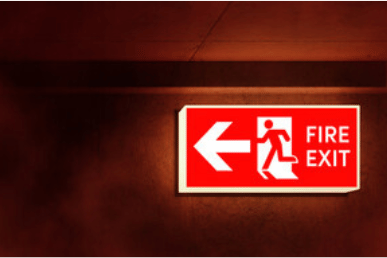
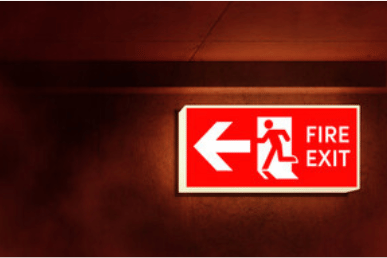
Exit Signs
-
Clearly mark doors and exit routes.
-
Must be illuminated and visible at all times.
-
Usually include arrows to direct occupants.
-
-
Emergency Lights
-
Provide illumination when normal power fails.
-
Typically consist of wall-mounted units with adjustable LED lamps.
-
Must operate for a minimum duration (often 90 minutes) on backup power.
-
Regulatory Standards You Need to Follow
Several governing bodies set the requirements for emergency and exit lighting. The most widely recognized include:
1. Occupational Safety and Health Administration (OSHA)
-
Requires emergency lighting in all workplaces where employees may be exposed to danger in case of a power failure.
-
Mandates that exit routes be adequately lit and clearly marked.
2. National Fire Protection Association (NFPA)
-
NFPA 101: Life Safety Code provides detailed standards for emergency egress lighting.
-
Requires 90 minutes of backup illumination from a reliable power source (battery or generator).
-
Specifies minimum lighting levels: at least 1 foot-candle (10.8 lux) along exit paths at floor level.
3. International Building Code (IBC) & International Fire Code (IFC)
-
Require exit signs to be continuously illuminated, internally or externally.
-
State that emergency lighting must activate automatically when normal power is lost.
-
Apply to nearly all commercial, educational, healthcare, and industrial facilities.
Installation Requirements
When installing emergency and exit lighting, several rules apply:
-
Visibility: Exit signs must be readable from at least 100 feet in normal conditions.
-
Placement: Exit signs should be placed at every door, hallway intersection, and along all egress routes.
-
Height: Install signs at a consistent level (often 80 inches above the floor) for visibility through crowds or smoke.
-
Illumination: Emergency lighting must provide enough brightness to safely navigate corridors, stairwells, and exit doors.
-
Power Source: Units must connect to a backup power system - either batteries (self-contained or central) or emergency generators.
Testing and Maintenance
Compliance doesn’t end with installation - ongoing testing is required.
-
Monthly Test: OSHA and NFPA require a 30-second functional test every month.
-
Annual Test: A 90-minute full-function test must be performed yearly to ensure the backup system works as required.
-
Recordkeeping: Keep logs of tests and maintenance to demonstrate compliance during inspections.
Failure to maintain and test these systems can result in fines and - more importantly - endanger lives in an actual emergency.
Modern Trends in Emergency and Exit Lighting
With advancements in technology, emergency and exit lighting is becoming more efficient and reliable:
-
LED Exit Signs: Longer lifespan, lower energy consumption, and brighter output compared to older fluorescent models.
-
Self-Diagnostic Units: Automatically test themselves and report issues, reducing manual maintenance needs.
-
Photoluminescent Signs: Glow-in-the-dark exit signs that require no electricity, ideal as backup or supplemental safety measures.
-
Smart Monitoring: IoT-enabled systems allow remote testing, monitoring, and compliance reporting.
Best Practices for Compliance
-
Choose LED over incandescent or fluorescent for lower operating costs and better reliability.
-
Verify local building codes, since requirements can vary by state or municipality.
-
Create a testing schedule and assign responsibility to ensure monthly and annual checks are completed.
-
Keep spare batteries and lamps on hand for quick replacements.
-
Work with certified electricians for installation and major repairs to guarantee compliance.
Final Thoughts
Emergency and exit lighting isn’t just a box to check for compliance - it’s a life-saving system that ensures people can evacuate safely when every second counts. By understanding OSHA, NFPA, and IBC requirements, installing properly rated fixtures, and maintaining them regularly, you protect not only your building but the people inside it.
As technology continues to evolve, expect emergency and exit lighting to become smarter, more efficient, and easier to manage. However, the core responsibility remains the same: providing safe, reliable illumination when it matters most.