
Beacon Lighting Supply | Lighting the Way
Understanding Lighting Color Temperature & Different Uses
Lighting is an essential aspect of our daily lives, influencing everything from mood and productivity to the aesthetics of spaces. One of the most important yet often overlooked elements of lighting is color temperature. Whether in homes, offices, studios, or outdoor settings, understanding lighting color temperature helps in choosing the right lighting for specific needs. This article delves into lighting color temperature, its significance, and its various applications in different settings.
What Is Lighting Color Temperature?
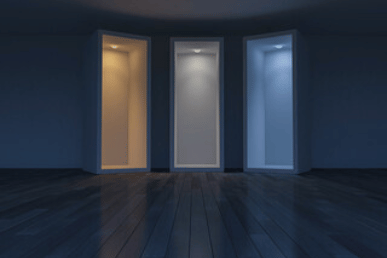
Lighting color temperature is measured in Kelvin (K) and describes the appearance of light emitted from a source. It ranges from warm to cool tones, with lower temperatures producing a warmer, yellowish light and higher temperatures producing a cooler, bluish-white light. The scale typically runs from 1,000K (candlelight) to 10,000K (clear blue sky), with most artificial lighting sources falling between 2,000K and 6,500K.
The Color Temperature Scale
- 1,000K - 2,000K: Very warm light, resembling candlelight or a sunset.
- 2,000K - 3,000K: Warm white light, common in incandescent bulbs and some LED bulbs.
- 3,000K - 4,000K: Soft white or neutral white, often used in residential and hospitality lighting.
- 4,000K - 5,000K: Cool white, common in office and retail settings.
- 5,000K - 6,500K: Daylight or bright white, resembling natural daylight, often used in workspaces and photography.
- 6,500K - 10,000K: Blue-tinted light, similar to a bright overcast sky, used in specialized applications like aquariums and industrial lighting.
How Lighting Color Temperature Affects Mood and Productivity
Different color temperatures influence human emotions, alertness, and overall well-being. Studies show that warm lighting promotes relaxation, making it ideal for bedrooms and living spaces. In contrast, cool lighting enhances focus and alertness, making it better suited for work environments.
Warm Light (2,000K - 3,000K)
- Creates a cozy and inviting atmosphere.
- Ideal for homes, restaurants, and hospitality settings.
- Helps to reduce stress and prepare the body for sleep.
Neutral White Light (3,000K - 4,000K)
- Provides a balance between warmth and brightness.
- Suitable for kitchens, bathrooms, and retail stores.
- Enhances color accuracy and provides good visibility.
Cool White to Daylight (4,000K - 6,500K)
- Increases alertness and concentration.
- Used in offices, hospitals, and classrooms.
- Reduces eye strain in work environments and enhances productivity.
Applications of Different Color Temperatures
1. Residential Lighting
The choice of lighting in homes depends on the function of each room:
- Bedrooms and Living Rooms: Warm white (2,700K - 3,000K) is ideal for relaxation.
- Kitchens and Bathrooms: Neutral white (3,500K - 4,000K) ensures clarity and cleanliness.
- Home Offices: Daylight (5,000K) can enhance focus and reduce eye fatigue.
2. Office and Commercial Spaces
- Offices: 4,000K - 5,000K promotes productivity and alertness.
- Retail Stores: 3,000K - 4,500K enhances product visibility while maintaining a welcoming environment.
- Hospitals and Clinics: 4,500K - 6,500K ensures precision and clarity for medical procedures.
3. Hospitality and Restaurants
- Fine Dining: Warm white (2,700K - 3,000K) creates an intimate and relaxing ambiance.
- Fast Food Outlets: Neutral white (3,500K - 4,000K) maintains an inviting yet energetic atmosphere.
4. Outdoor and Security Lighting
- Streetlights: 4,000K - 5,000K provides clear visibility and enhances safety.
- Garden and Landscape Lighting: 2,700K - 3,500K adds warmth and aesthetic appeal.
- Security Lighting: 5,000K - 6,500K ensures maximum brightness for surveillance.
5. Industrial and Warehouse Lighting
- Factories and Warehouses: 5,000K - 6,500K improves visibility and worker efficiency.
- Cold Storage Facilities: 6,000K+ prevents light-induced heat accumulation.
6. Photography and Film Production
- Studio Lighting: Adjustable color temperatures are used to match natural lighting conditions.
- Cinematography: Different temperatures create mood and depth in film scenes.
Choosing the Right Lighting Color Temperature
When selecting lighting, consider the following factors:
- Function of the Space: Choose a color temperature that suits the purpose of the area.
- Personal Preference: Some people prefer warmer lighting for comfort, while others prefer cooler tones for clarity.
- Energy Efficiency: LED lighting with adjustable color temperatures offers versatility and energy savings.
Conclusion
Lighting color temperature plays a crucial role in shaping environments and influencing mood, productivity, and aesthetics. Understanding how different temperatures affect spaces helps in making informed decisions when selecting lighting solutions. Whether for residential, commercial, industrial, or artistic purposes, the right lighting enhances functionality and improves overall experiences. By choosing the appropriate color temperature, we can create spaces that are not only visually appealing but also optimized for their intended use.